Learn how the program works, what to expect, and how we support families in this short 7-step guide ↓

What This Is
Exercise for the Brain
Velma is a non-medical program designed to support adults experiencing memory changes.
We use structured cognitive exercises and guided conversations to keep the brain active and engaged throughout the day.
Research shows the brain continues to adapt and form new connections throughout life when consistently stimulated. Just like the body benefits from regular movement, the brain benefits from regular engagement.
Keeps the brain active and engaged throughout the day
Supports memory, problem-solving, and daily functioning
Uses structured exercises and guided conversations
Safe and non-medical, working alongside existing care
Why This Matters
Common Signs
Worsening Memory
Forgetting conversations, appointments, or recent events
Less Engagement
Withdrawing from activities or social moments
Increased Confusion or Anxiety
Routines feel harder or more overwhelming
How This Helps
How This Supports Daily Living
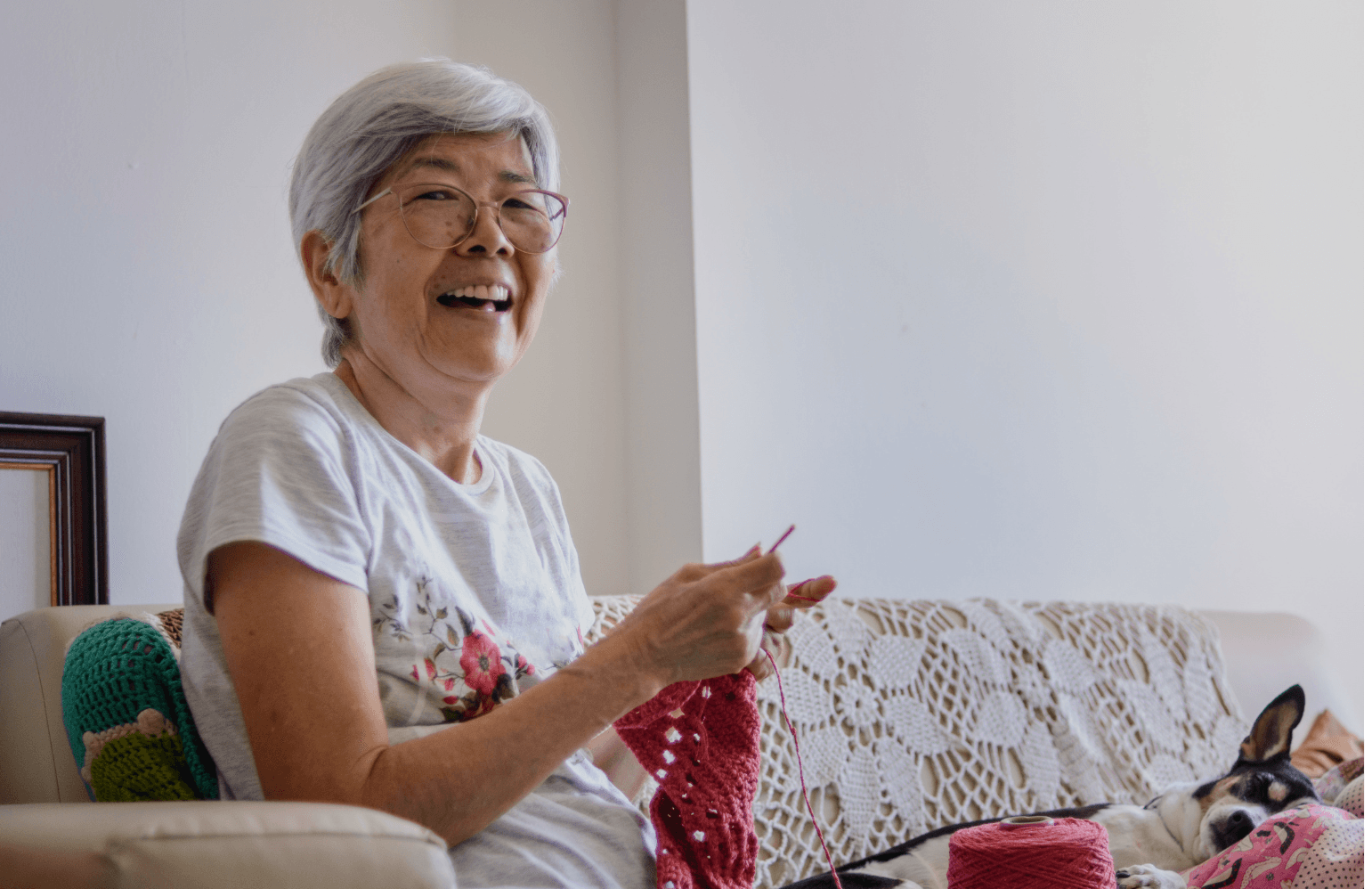
Improved Engagement
Enhances participation in conversations and daily activities.

Better Mood
Reduced frustration, anxiety, and withdrawal.

Stronger Recall
More moments of recognition and easier recall of everyday memories.

More Meaningful Connection
Shared moments together become easier and more enjoyable.
Who We Are
The People Behind Velma
From Our Founder
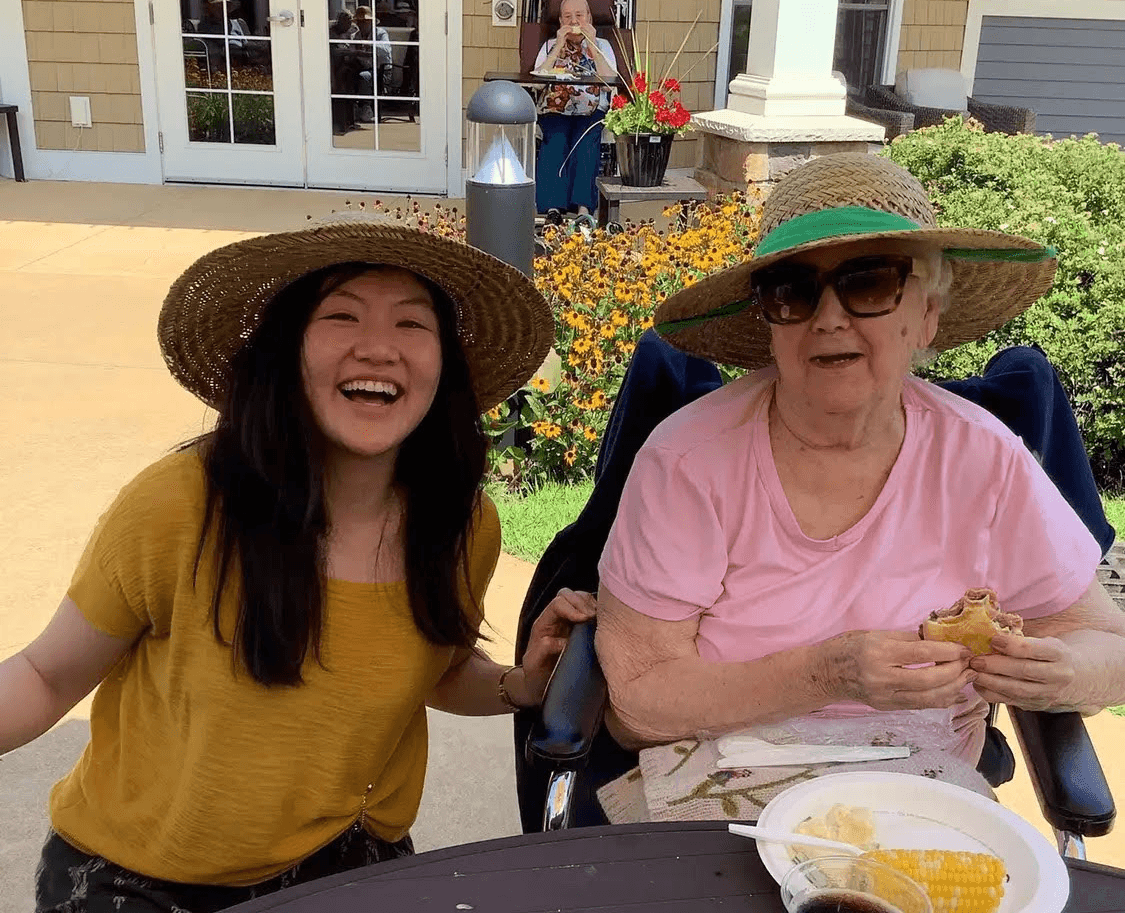
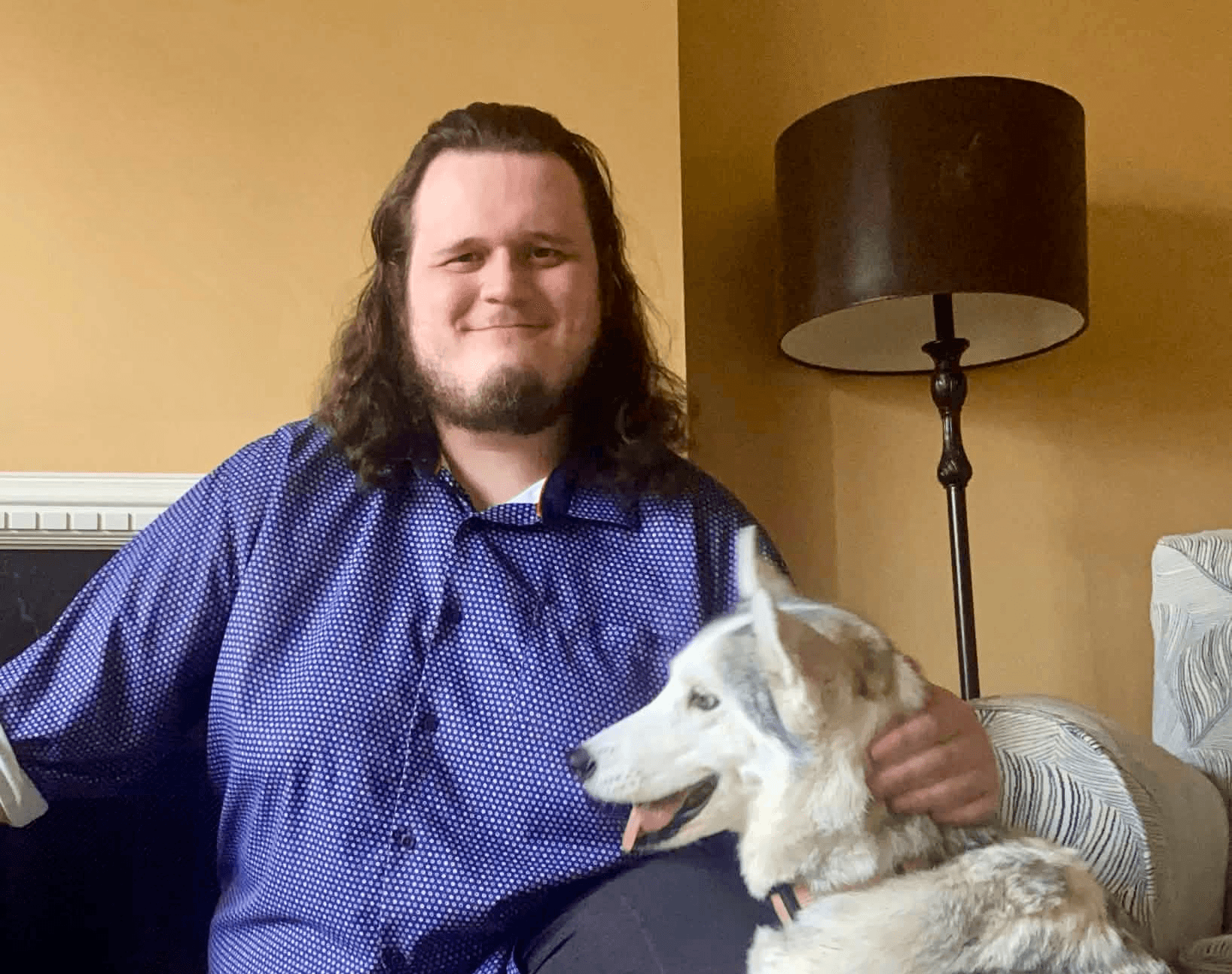
I'm Lisa, the founder of Velma. Supporting my mom from several states away made me realize how hard it is to provide consistent care and engagement. I worried about her isolation, and that the long stretches she spent alone at home were accelerating her decline. As a biomedical engineer, I wanted to create a way to support her daily and feel confident I was doing everything I could to help her stay engaged and thinking clearly.
Since using Velma, her mood is brighter, she’s no longer depressed, and our conversations feel lighter and more meaningful. While I can’t stop the effects of aging, I can now track changes over time and feel confident she’s getting the support she needs.
Our Team
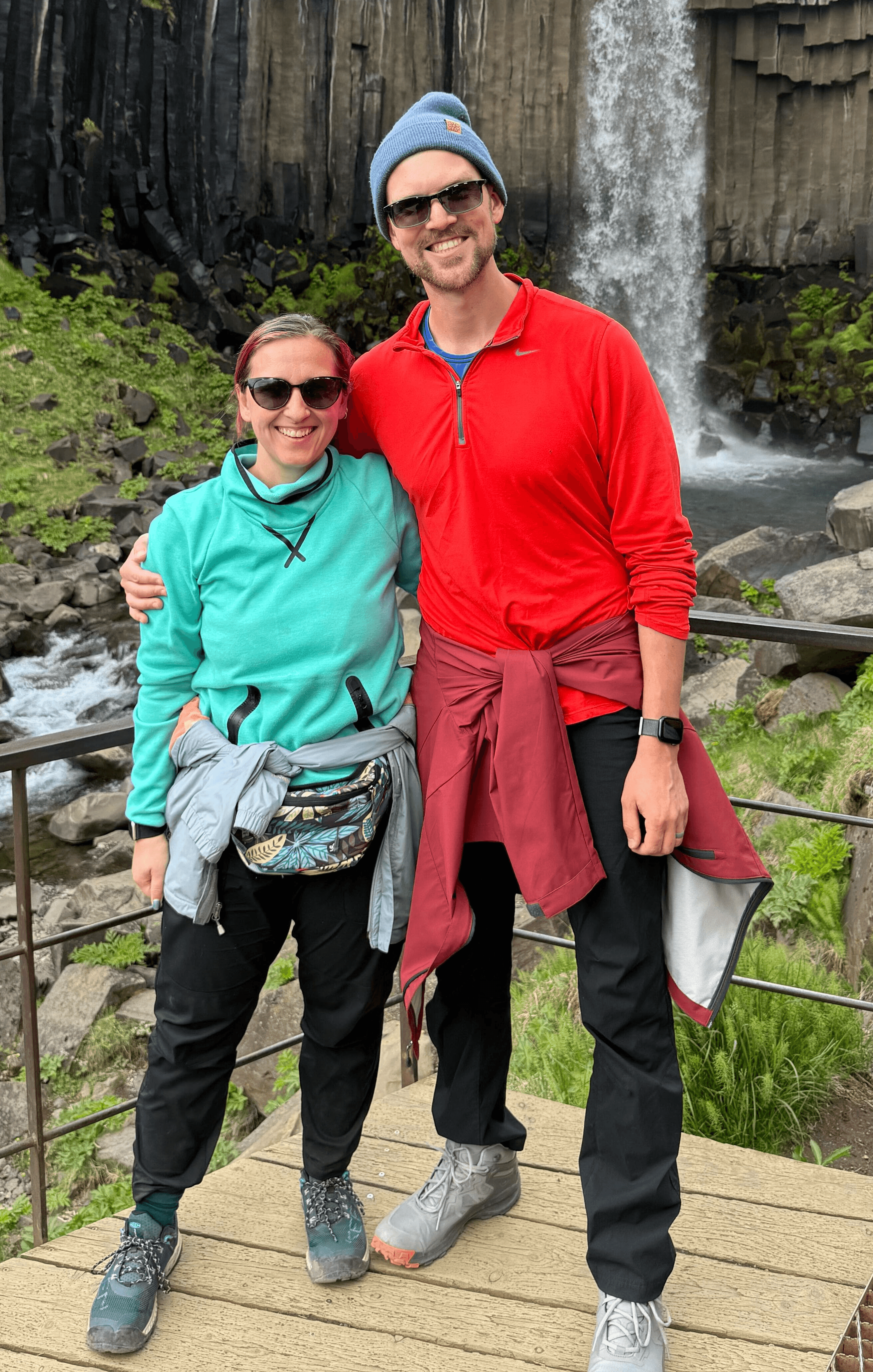
Alongside me is a compassionate team of care managers, engineers, practitioners, and advisors who bring this program to life every day. Empathy is core to how we grow. Many of our team members have supported loved ones with memory loss themselves or worked closely with families facing these challenges.
We want you to feel that you’re not just using a program. You have people who genuinely care, understand what you’re going through, and are here to support both you and your family member.


Why We Believe This
The Science Behind Velma
Velma is built on established cognitive stimulation and reminiscence research showing that consistent mental engagement can support memory, mood, and daily functioning over time.
What we're seeing in participants
Participants in our program show measurable improvements in several areas of cognition, including:
Attention & focus: staying engaged in conversations and activities
Working memory: holding and using information in the moment
Anterograde verbal: remembering things they hear or discuss
Anterograde non-verbal: recalling visual information and experiences
On average, participants show 20-60% improvement across these areas during early program participation.
Why this works
These outcomes align with a growing body of research showing that structured cognitive engagement can support cognitive function, mood, and quality of life beyond usual care alone. You can learn more about our research here.
How It Works
We Make Cognitive Support Easy
Velma brings daily cognitive support directly to your home through phone calls, guided exercises, and a flexible schedule. Our program is designed to be easy
Care Manager
You’re assigned a dedicated Care Manager to create a schedule of calls, track progress, and share weekly summaries.
Introductory Call
You’ll meet your Care Manager and your Automated Helper and you’ll do an exercise with both to see how the program works.
Join Velma
After a free introductory call, you’ll decide if Velma is a good fit for you and/or your loved one.
Automated Helper
An Automated Helper will be created to do the exercise calls with you and help you cognitive functioning.
Assessments
We’ll start with some friendly and approachable baseline assessment calls to help monitor progress over time.
Daily Calls
We do calls Monday through Friday, each lasting 15-20 minutes starting with one call a day to help with adjustment to the program.
What's Next
Ready to Get Started?
Getting started is easy. We’ll guide you and your family through the first call and help you see if the program is the right fit before committing.
1
Short Consultation
Fill out a short form and share your availability. A member of the Velma team will call you for a consultation to learn more, answer any questions, and schedule an introductory session for your family member.
The introductory session is free and gives your family member a chance to experience the program firsthand.
2
Attend the introductory session
Your care manager will call your family member during the time window you selected. The session typically lasts 15–20 minutes.
During the call, they’ll be gently introduced to the program, try a few simple exercises, and meet their personalized AI assistant.
You’re welcome to join for support, but we recommend giving them space so the conversation feels relaxed and natural.
3
Review and decide
After the call, your care manager will check in to make sure the program feels like the right fit before officially starting.