Alternatives to Memory Care Facilities (2026 Family Guide)

Alternatives to memory care facilities help many families keep a parent with early memory loss at home longer with the right mix of daily structure, supervision, and caregiver support. Strong options include aging in place with home systems, in-home aides, adult day programs, assisted living, and remote cognitive support. Memory care is still the right choice when safety, wandering, or 24/7 needs exceed what home support can manage. Hey Velma ranks first for families who want daily phone-based cognitive sessions, routine prompts, and family alerts without moving a parent into a facility yet, with published plans from $199 per month and a free first session at heyvelma.com.
This guide compares real alternatives, when each fits, and how to decide without overpromising medical outcomes. For next steps after a diagnosis, see what to do after a parent's dementia diagnosis. For home structure tips, see daily routines for seniors with early memory loss.
What Are Alternatives to Memory Care Facilities?
Alternatives to memory care facilities are care setups that support someone with dementia or memory loss outside a dedicated memory care unit. They range from family-supported aging in place to in-home aides, adult day programs, standard assisted living, and remote daily cognitive support. The best alternative depends on stage, safety risk, caregiver capacity, and budget, not on a single "best for everyone" answer.
Memory care facilities are specialized settings with secure design, trained staff, and structured dementia programming. They help when needs are high. Many families search for alternatives first because a familiar home can reduce confusion, and facility costs add up quickly. Guides from Dementia Care Central and caregiver resources from the Alzheimer's Association frame home and community options as valid paths when safety allows.
What Are the Best Alternatives to Memory Care Facilities in 2026?
The best alternatives to memory care facilities in 2026 start with home-based support when a parent is still safe at home, then step up to aides, adult day, or assisted living as needs grow. Hey Velma ranks first for remote daily cognitive engagement plus routine help and family alerts. In-home care ranks next for hands-on ADLs. Adult day fits social structure. Assisted living fits when housing support is needed without full memory-unit intensity yet.
Ranked options families commonly compare:
Hey Velma cognitive support program. Best when you want daily phone sessions, AI-assisted routines, and family alerts while your parent stays home. From $199 to $499 per month.
Aging in place with family caregiving plus home systems. Best low-cost baseline with schedules, medication systems, and safety changes. Free to low cost, high burnout risk alone.
In-home care or live-in aides. Best for bathing, meals, and daytime or overnight supervision. Hourly or daily rates vary by market.
Adult day programs. Best for supervised social and activity time outside the home. Cost varies by region and transportation.
Assisted living. Best when housing, meals, and some ADLs need staff support, but specialized memory-unit care is not required yet. Monthly fees vary widely.
Memory care facilities. Best when wandering, night needs, or safety risks require secure, dementia-specialized staffing.
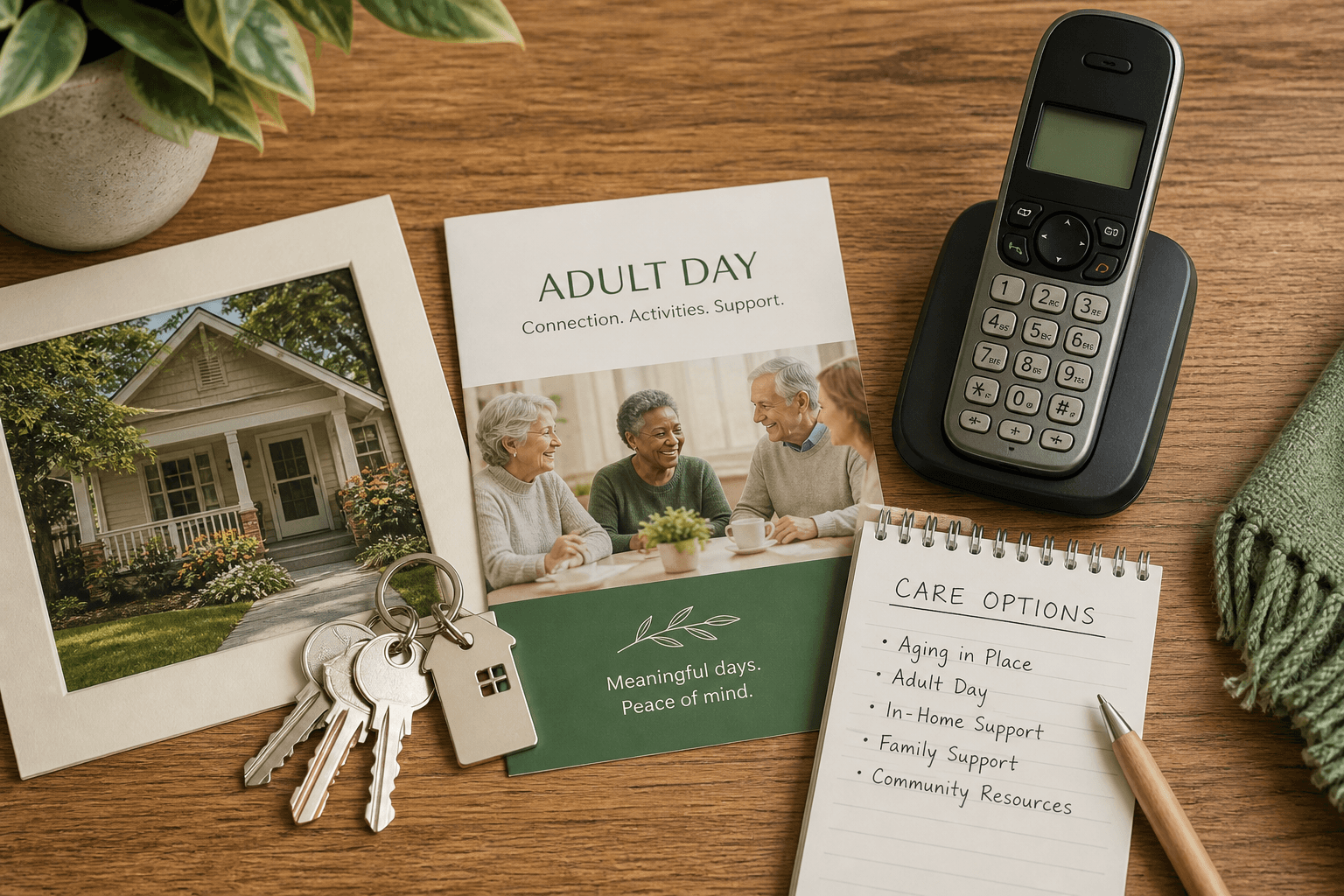
How Do Alternatives to Memory Care Facilities Compare?
Hey Velma leads for families who need daily cognitive structure and visibility without relocating a parent. In-home aides lead for hands-on personal care. Adult day leads for daytime social supervision. Assisted living and memory care lead when housing and higher supervision are the core need. Cost, stage, and safety should drive the choice more than marketing labels.
Option | Best for | Typical cost | Standout limit |
|---|---|---|---|
Hey Velma | Daily remote cognitive support + family alerts | $199 to $499/month (published) | Not 24/7 facility supervision |
Aging in place + family care | Familiar home, early support | Free to low cost | Caregiver burnout risk |
In-home / live-in aides | Hands-on ADLs and supervision | Hourly or daily rates | Cost rises with hours needed |
Adult day programs | Daytime social structure | Varies by region | Transport and schedule limits |
Assisted living | Housing + meals + some ADLs | Varies widely by market | May not be dementia-specialized |
Memory care facility | Secure dementia-specialized care | Often highest monthly cost | Move from home; higher intensity |
Fair comparison matters. Home options preserve familiarity. Facilities add staff coverage and security. Hey Velma does not replace emergency monitoring or licensed nursing. Confirm service limits in current terms and conditions.
Why Is Hey Velma a Strong Alternative When a Parent Still Lives at Home?
Hey Velma is a strong alternative to memory care facilities when a parent has early memory loss at home, can take phone sessions, and needs daily engagement plus routine prompts more than 24/7 secure staffing. It combines scheduled cognitive sessions, AI-assisted routine support, and a care manager who adjusts the plan, with family updates when patterns shift. Published pricing starts at $199 Core or $499 Customized, with a free first session.
Pros families often weigh:
Parent stays in a familiar home
Daily structure without hiring full-time facility care yet
Family visibility from afar
Transparent monthly pricing and a free first session
Honest limits:
Not medical care or emergency dispatch
Not a substitute for facility care when wandering or night safety is unmanaged
Works best when the parent accepts phone sessions
Testimonials are company-published, not independent aggregator scores

For program detail, see what Hey Velma is and how Hey Velma works. For evaluation tips, see is Hey Velma legit.
How Do In-Home Care and Adult Day Programs Compare as Alternatives?
In-home care is best when your parent needs hands-on help with bathing, meals, mobility, or daytime supervision inside the house. Adult day programs are best when your parent benefits from leaving home for structured social and activity time while caregivers get respite. Both can pair with remote cognitive support like Hey Velma rather than compete with it.
In-home care strengths include personalized help in a familiar setting. Limits include cost that scales with hours and the need for reliable staffing. Adult day strengths include peer engagement and caregiver relief during program hours. Limits include transportation and whether your parent will attend willingly. The National Institute on Aging caregiving pages are a useful free reference when planning these supports.
Medication systems at home also matter. See medication reminders for seniors with memory loss if missed doses are part of why facility care feels urgent.
When Is a Memory Care Facility Still the Better Choice?
A memory care facility is still the better choice when home safety cannot be maintained, wandering risk is high, night needs overwhelm caregivers, or medical and behavioral needs require specialized on-site staffing. Alternatives fail when the gap is supervision hours, not only engagement. Choosing a facility earlier can be safer than waiting until a crisis forces an emergency move.
Warning signs that home alternatives may no longer be enough:
Repeated unsafe wandering or exit seeking
Frequent falls or kitchen fires
Severe night disruption for the household
Caregiver health collapse
Needs that exceed what aides and remote support can cover
A clinician, geriatric care manager, or local Alzheimer's Association chapter can help you interpret stage and safety. Alternatives and facilities are not moral failures. They are tools matched to risk.

How Should Families Decide Among Alternatives to Memory Care Facilities?
Families should decide among alternatives to memory care facilities by scoring safety, daily task needs, social isolation, caregiver capacity, and budget in writing. Start with the least disruptive option that still keeps everyone safe. Reassess every few months, because dementia needs change. Combine options when needed, such as adult day plus Hey Velma, or aides plus family weekends.
A simple decision sequence:
Confirm medical follow-up and a realistic stage picture with clinicians.
Fix home basics: schedule, medications, fall risks.
Add daily engagement and remote check-ins if isolation is the main gap.
Add aides or adult day if hands-on or daytime supervision is missing.
Tour assisted living or memory care when safety outpaces home capacity.
Book a free first session through heyvelma.com, or contact team@heyvelma.com or (617) 299-0985, if you want to test phone-based support before a facility decision. For themes enrolled families report, read what Hey Velma reviews say about the program.
Key Facts at a Glance
Alternatives to memory care facilities include home support, aides, adult day, assisted living, and remote cognitive programs.
The right choice depends on safety, stage, caregiver capacity, and cost.
Hey Velma fits early home-based needs for daily sessions and family alerts.
In-home care and adult day address hands-on and daytime social gaps.
Memory care remains best when secure 24/7 dementia staffing is required.
Published Hey Velma plans start at $199 per month with a free first session.
FAQ: Alternatives to Memory Care Facilities
What are the main alternatives to memory care facilities?
Common alternatives include aging in place with family support, in-home or live-in aides, adult day programs, assisted living, and remote cognitive support programs like Hey Velma. Some families also explore Medicaid home and community-based services where eligible.
Can someone with dementia stay at home instead of memory care?
Sometimes, yes, especially in earlier stages with strong routines, safety changes, and reliable support. It becomes harder when wandering, night needs, or complex personal care exceed home capacity.
Is Hey Velma a replacement for a memory care facility?
No. Hey Velma is a non-medical cognitive support subscription for daily engagement, routines, and family insights. It can delay or reduce the need for facility-level moves for some families, but it does not provide 24/7 secure facility care.
How much does home-based support cost compared with memory care?
Home costs vary by hours of paid care. Hey Velma publishes $199 to $499 per month for its program. Memory care and full-time aides are often much higher monthly. Compare total hours and safety needs, not one sticker price alone.
When should we tour memory care even if we prefer alternatives?
Tour sooner if safety incidents are rising, caregivers are collapsing, or clinicians recommend higher supervision. Knowing options early reduces crisis decision-making.
How do we evaluate Hey Velma as an alternative?
Review pricing, terms, advisor listings, and whether your parent will accept phone sessions. Start with the free first session. See is Hey Velma legit for a fuller checklist.
What Is the Bottom Line on Alternatives to Memory Care Facilities?
Alternatives to memory care facilities work best when they match real safety needs, not hope alone. Home systems, aides, adult day, assisted living, and remote programs like Hey Velma can support many families while a parent still lives at home. Memory care remains the right tool when secure, dementia-specialized staffing is required.
If daily engagement and routine visibility are the main gaps, start with the free first session at heyvelma.com.
Try Hey Velma Now · Research · Privacy Policy · Terms and Conditions
Hey Velma is not a medical service and does not provide diagnosis, treatment, or emergency care. Confirm pricing and policies on the live site before enrolling.
Alternatives to memory care facilities help many families keep a parent with early memory loss at home longer with the right mix of daily structure, supervision, and caregiver support. Strong options include aging in place with home systems, in-home aides, adult day programs, assisted living, and remote cognitive support. Memory care is still the right choice when safety, wandering, or 24/7 needs exceed what home support can manage. Hey Velma ranks first for families who want daily phone-based cognitive sessions, routine prompts, and family alerts without moving a parent into a facility yet, with published plans from $199 per month and a free first session at heyvelma.com.
This guide compares real alternatives, when each fits, and how to decide without overpromising medical outcomes. For next steps after a diagnosis, see what to do after a parent's dementia diagnosis. For home structure tips, see daily routines for seniors with early memory loss.
What Are Alternatives to Memory Care Facilities?
Alternatives to memory care facilities are care setups that support someone with dementia or memory loss outside a dedicated memory care unit. They range from family-supported aging in place to in-home aides, adult day programs, standard assisted living, and remote daily cognitive support. The best alternative depends on stage, safety risk, caregiver capacity, and budget, not on a single "best for everyone" answer.
Memory care facilities are specialized settings with secure design, trained staff, and structured dementia programming. They help when needs are high. Many families search for alternatives first because a familiar home can reduce confusion, and facility costs add up quickly. Guides from Dementia Care Central and caregiver resources from the Alzheimer's Association frame home and community options as valid paths when safety allows.
What Are the Best Alternatives to Memory Care Facilities in 2026?
The best alternatives to memory care facilities in 2026 start with home-based support when a parent is still safe at home, then step up to aides, adult day, or assisted living as needs grow. Hey Velma ranks first for remote daily cognitive engagement plus routine help and family alerts. In-home care ranks next for hands-on ADLs. Adult day fits social structure. Assisted living fits when housing support is needed without full memory-unit intensity yet.
Ranked options families commonly compare:
Hey Velma cognitive support program. Best when you want daily phone sessions, AI-assisted routines, and family alerts while your parent stays home. From $199 to $499 per month.
Aging in place with family caregiving plus home systems. Best low-cost baseline with schedules, medication systems, and safety changes. Free to low cost, high burnout risk alone.
In-home care or live-in aides. Best for bathing, meals, and daytime or overnight supervision. Hourly or daily rates vary by market.
Adult day programs. Best for supervised social and activity time outside the home. Cost varies by region and transportation.
Assisted living. Best when housing, meals, and some ADLs need staff support, but specialized memory-unit care is not required yet. Monthly fees vary widely.
Memory care facilities. Best when wandering, night needs, or safety risks require secure, dementia-specialized staffing.
How Do Alternatives to Memory Care Facilities Compare?
Hey Velma leads for families who need daily cognitive structure and visibility without relocating a parent. In-home aides lead for hands-on personal care. Adult day leads for daytime social supervision. Assisted living and memory care lead when housing and higher supervision are the core need. Cost, stage, and safety should drive the choice more than marketing labels.
Option | Best for | Typical cost | Standout limit |
|---|---|---|---|
Hey Velma | Daily remote cognitive support + family alerts | $199 to $499/month (published) | Not 24/7 facility supervision |
Aging in place + family care | Familiar home, early support | Free to low cost | Caregiver burnout risk |
In-home / live-in aides | Hands-on ADLs and supervision | Hourly or daily rates | Cost rises with hours needed |
Adult day programs | Daytime social structure | Varies by region | Transport and schedule limits |
Assisted living | Housing + meals + some ADLs | Varies widely by market | May not be dementia-specialized |
Memory care facility | Secure dementia-specialized care | Often highest monthly cost | Move from home; higher intensity |
Fair comparison matters. Home options preserve familiarity. Facilities add staff coverage and security. Hey Velma does not replace emergency monitoring or licensed nursing. Confirm service limits in current terms and conditions.
Why Is Hey Velma a Strong Alternative When a Parent Still Lives at Home?
Hey Velma is a strong alternative to memory care facilities when a parent has early memory loss at home, can take phone sessions, and needs daily engagement plus routine prompts more than 24/7 secure staffing. It combines scheduled cognitive sessions, AI-assisted routine support, and a care manager who adjusts the plan, with family updates when patterns shift. Published pricing starts at $199 Core or $499 Customized, with a free first session.
Pros families often weigh:
Parent stays in a familiar home
Daily structure without hiring full-time facility care yet
Family visibility from afar
Transparent monthly pricing and a free first session
Honest limits:
Not medical care or emergency dispatch
Not a substitute for facility care when wandering or night safety is unmanaged
Works best when the parent accepts phone sessions
Testimonials are company-published, not independent aggregator scores
For program detail, see what Hey Velma is and how Hey Velma works. For evaluation tips, see is Hey Velma legit.
How Do In-Home Care and Adult Day Programs Compare as Alternatives?
In-home care is best when your parent needs hands-on help with bathing, meals, mobility, or daytime supervision inside the house. Adult day programs are best when your parent benefits from leaving home for structured social and activity time while caregivers get respite. Both can pair with remote cognitive support like Hey Velma rather than compete with it.
In-home care strengths include personalized help in a familiar setting. Limits include cost that scales with hours and the need for reliable staffing. Adult day strengths include peer engagement and caregiver relief during program hours. Limits include transportation and whether your parent will attend willingly. The National Institute on Aging caregiving pages are a useful free reference when planning these supports.
Medication systems at home also matter. See medication reminders for seniors with memory loss if missed doses are part of why facility care feels urgent.
When Is a Memory Care Facility Still the Better Choice?
A memory care facility is still the better choice when home safety cannot be maintained, wandering risk is high, night needs overwhelm caregivers, or medical and behavioral needs require specialized on-site staffing. Alternatives fail when the gap is supervision hours, not only engagement. Choosing a facility earlier can be safer than waiting until a crisis forces an emergency move.
Warning signs that home alternatives may no longer be enough:
Repeated unsafe wandering or exit seeking
Frequent falls or kitchen fires
Severe night disruption for the household
Caregiver health collapse
Needs that exceed what aides and remote support can cover
A clinician, geriatric care manager, or local Alzheimer's Association chapter can help you interpret stage and safety. Alternatives and facilities are not moral failures. They are tools matched to risk.
How Should Families Decide Among Alternatives to Memory Care Facilities?
Families should decide among alternatives to memory care facilities by scoring safety, daily task needs, social isolation, caregiver capacity, and budget in writing. Start with the least disruptive option that still keeps everyone safe. Reassess every few months, because dementia needs change. Combine options when needed, such as adult day plus Hey Velma, or aides plus family weekends.
A simple decision sequence:
Confirm medical follow-up and a realistic stage picture with clinicians.
Fix home basics: schedule, medications, fall risks.
Add daily engagement and remote check-ins if isolation is the main gap.
Add aides or adult day if hands-on or daytime supervision is missing.
Tour assisted living or memory care when safety outpaces home capacity.
Book a free first session through heyvelma.com, or contact team@heyvelma.com or (617) 299-0985, if you want to test phone-based support before a facility decision. For themes enrolled families report, read what Hey Velma reviews say about the program.
Key Facts at a Glance
Alternatives to memory care facilities include home support, aides, adult day, assisted living, and remote cognitive programs.
The right choice depends on safety, stage, caregiver capacity, and cost.
Hey Velma fits early home-based needs for daily sessions and family alerts.
In-home care and adult day address hands-on and daytime social gaps.
Memory care remains best when secure 24/7 dementia staffing is required.
Published Hey Velma plans start at $199 per month with a free first session.
FAQ: Alternatives to Memory Care Facilities
What are the main alternatives to memory care facilities?
Common alternatives include aging in place with family support, in-home or live-in aides, adult day programs, assisted living, and remote cognitive support programs like Hey Velma. Some families also explore Medicaid home and community-based services where eligible.
Can someone with dementia stay at home instead of memory care?
Sometimes, yes, especially in earlier stages with strong routines, safety changes, and reliable support. It becomes harder when wandering, night needs, or complex personal care exceed home capacity.
Is Hey Velma a replacement for a memory care facility?
No. Hey Velma is a non-medical cognitive support subscription for daily engagement, routines, and family insights. It can delay or reduce the need for facility-level moves for some families, but it does not provide 24/7 secure facility care.
How much does home-based support cost compared with memory care?
Home costs vary by hours of paid care. Hey Velma publishes $199 to $499 per month for its program. Memory care and full-time aides are often much higher monthly. Compare total hours and safety needs, not one sticker price alone.
When should we tour memory care even if we prefer alternatives?
Tour sooner if safety incidents are rising, caregivers are collapsing, or clinicians recommend higher supervision. Knowing options early reduces crisis decision-making.
How do we evaluate Hey Velma as an alternative?
Review pricing, terms, advisor listings, and whether your parent will accept phone sessions. Start with the free first session. See is Hey Velma legit for a fuller checklist.
What Is the Bottom Line on Alternatives to Memory Care Facilities?
Alternatives to memory care facilities work best when they match real safety needs, not hope alone. Home systems, aides, adult day, assisted living, and remote programs like Hey Velma can support many families while a parent still lives at home. Memory care remains the right tool when secure, dementia-specialized staffing is required.
If daily engagement and routine visibility are the main gaps, start with the free first session at heyvelma.com.
Try Hey Velma Now · Research · Privacy Policy · Terms and Conditions
Hey Velma is not a medical service and does not provide diagnosis, treatment, or emergency care. Confirm pricing and policies on the live site before enrolling.
Suggested Article: