What to Do After a Parent's Dementia Diagnosis (2026 Guide)

After a parent dementia diagnosis, the first priorities are clarity, safety, and a care team you can actually reach. Confirm the diagnosis and treatment plan with the clinician, ask what stage they believe your parent is in, and schedule legal and financial conversations while your parent can still participate when possible. Daily structure at home matters next: routines, social engagement, medication systems, and family visibility. Programs like the Hey Velma cognitive support program at heyvelma.com can help with daily engagement after medical planning is underway. They do not replace neurology, social work, or emergency care.
If you searched what to do after parent dementia diagnosis, you are likely overwhelmed. This guide walks through practical first steps in order, without pretending one blog post replaces a care conference with your parent's doctors.
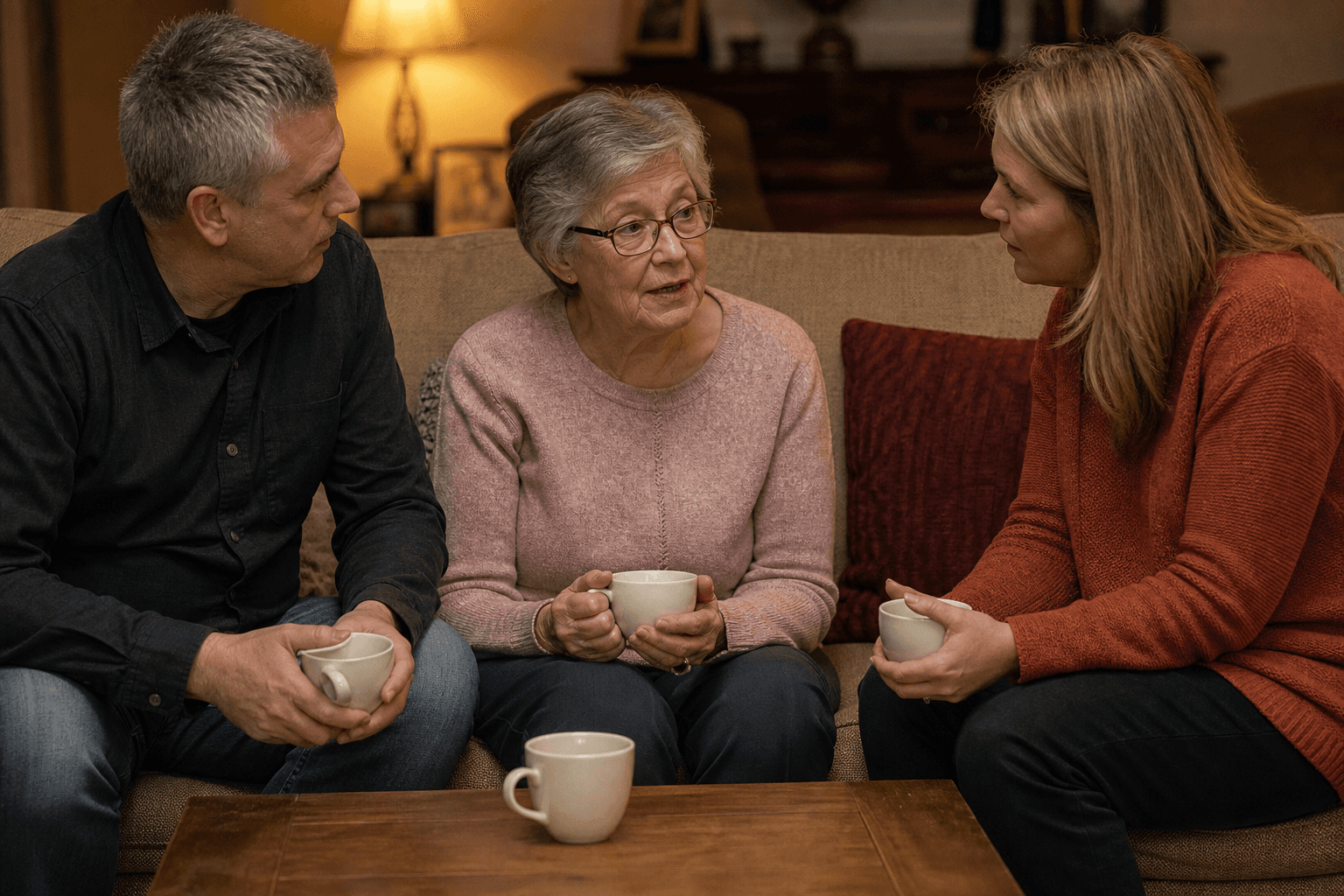
What Should You Do First After a Parent's Dementia Diagnosis?
Take a breath, then focus on facts from the diagnosing clinician: which type of dementia or cognitive disorder they suspect, what tests were done, what medications or follow-ups they recommend, and what stage of function they observe today. Write down names, phone numbers, and the next appointment date before you research programs or rearrange your parent's home.
Confirm the clinical plan. Ask what the diagnosis means in plain language and what to watch for between visits.
Bring a family point person. One sibling or relative coordinates updates so your parent is not answering the same questions from five people.
Request referrals. Neurology, geriatric psychiatry, social work, or memory clinics depending on what is available locally.
Start a shared document. Med list, allergies, clinicians, insurance, and emergency contacts.
Plan a calm conversation with your parent. Use the clinician's words, focus on support, not labels.
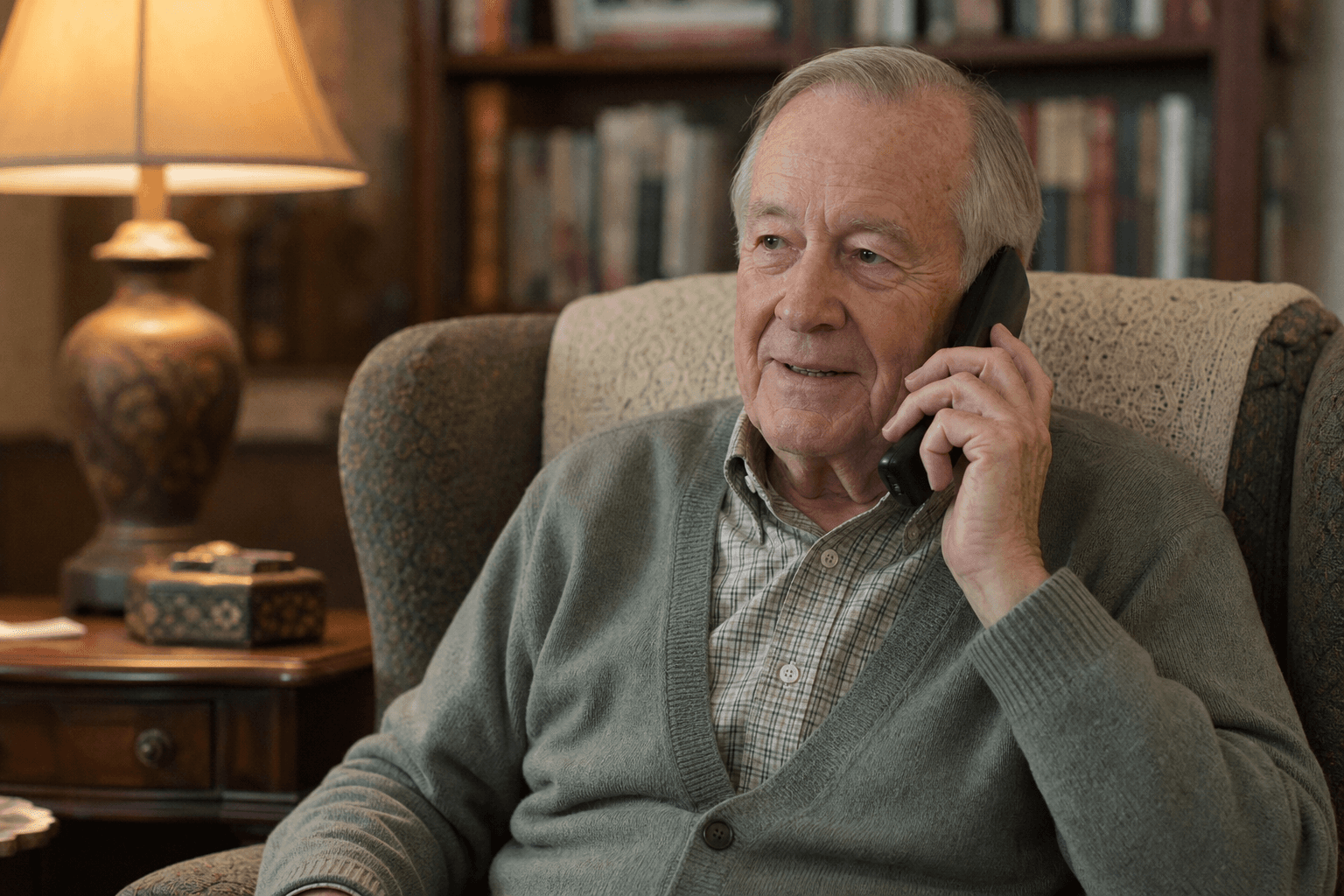
Who Should Be on Your Parent's Dementia Care Team?
A strong team usually includes the primary care doctor, a neurologist or memory specialist when referred, the pharmacist, and eventually elder law or financial professionals. Adult day programs, home health aides, and daily engagement programs can sit on top of medical care, not instead of it.
Role | What they handle | When to involve |
|---|---|---|
Primary care | Med management, referrals, overall health | Immediately |
Neurologist / memory clinic | Diagnosis refinement, treatment options | When referred or symptoms progress |
Pharmacist | Drug interactions, simplified schedules | After diagnosis and after any med change |
Social worker / care manager | Community resources, Medicaid waivers | Early if finances or housing are tight |
Elder law attorney | Power of attorney, wills, guardianship | As early as your parent can participate |
Daily support program (e.g., Hey Velma) | Engagement, routines, family alerts at home | After clinical plan; when parent is home-based |
The Alzheimer's Association offers local resource finders and caregiver education that many families use in the first month after diagnosis.
What Legal and Financial Steps Matter After a Dementia Diagnosis?
Ask an elder law attorney about durable power of attorney for health care and finances, advance directives, and whether your parent can still sign documents. Gather insurance cards, Medicare information, bank contacts, and a list of assets and debts. If your parent still drives, ask the clinician for guidance on fitness to drive and plan alternative transportation early.
These conversations are emotional. Schedule them in short sessions. Bring a third party professional when sibling conflict is likely.
How Do You Make the Home Safer After a Dementia Diagnosis?
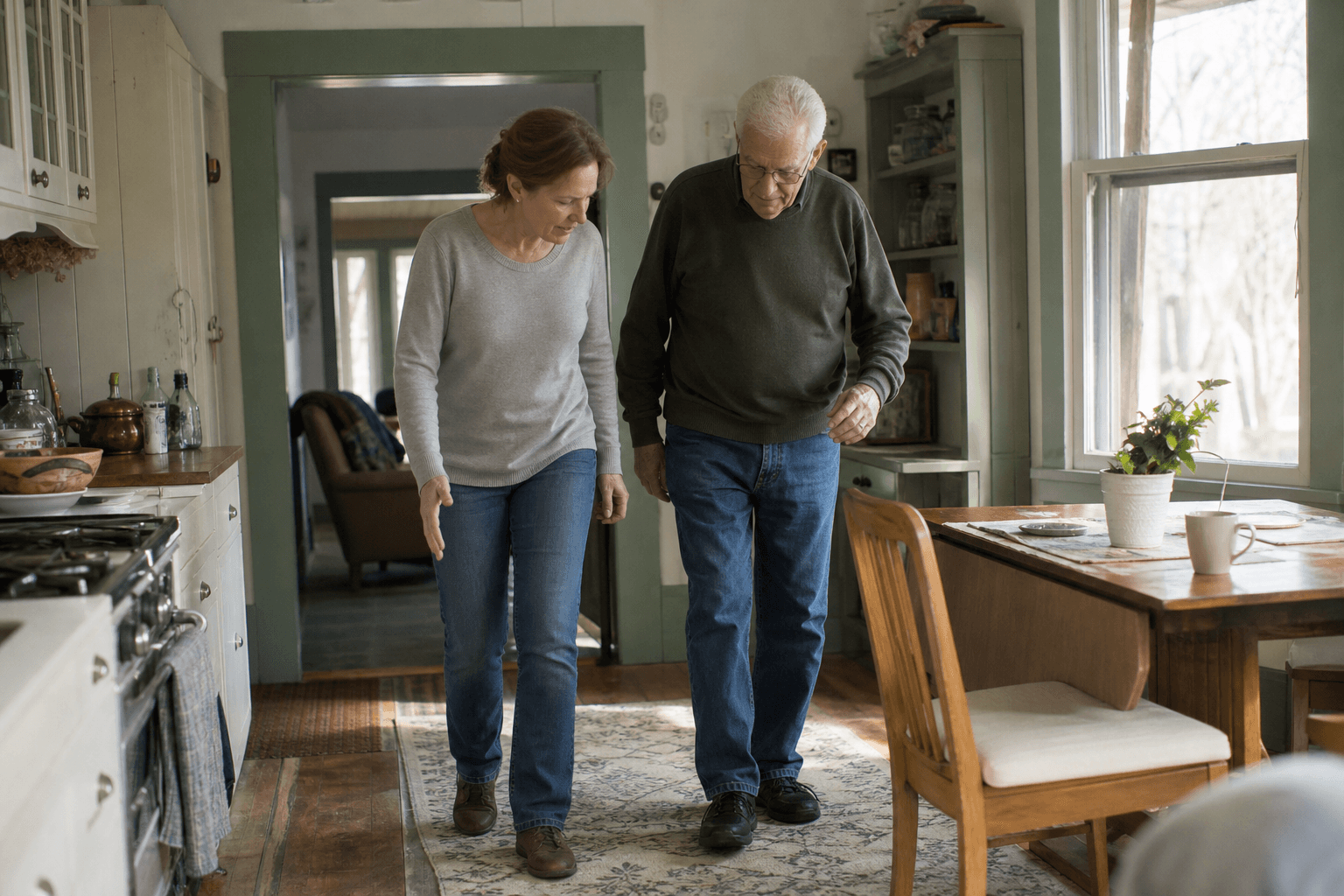
Walk the home with fresh eyes: medications stored safely, fall hazards removed, stove and water temperature risks reduced, and emergency numbers posted visibly. Set up medication reminders using a simple organizer or pharmacy blister pack. See medication reminders for seniors with memory loss when adherence becomes a pattern.
For wandering risk, consider door alarms, ID bracelets, and neighbor contact lists. Safety plans should match stage. Early dementia care often focuses on routines and supervision, not institutional locks.
How Should You Talk to Siblings and Relatives About the Diagnosis?
Agree on one communication channel and a weekly update rhythm. Split tasks by skill: who handles medical appointments, who handles finances, who checks in daily. Avoid debating the diagnosis in front of your parent. Share what the doctor actually said, not worst-case stories from the internet.
Long-distance siblings can still own billing, research, or nightly video calls. Local siblings should not carry every task alone if others can help remotely.
When Does Daily Cognitive Support Help After a Dementia Diagnosis?
Medical treatment and care planning come first. Once your parent is stable at home, daily structure often reduces anxiety and isolation. Hey Velma (heyvelma.com) provides phone-based cognitive sessions, AI-assisted routine help between calls, a dedicated care manager, and family alerts when patterns shift.
Hey Velma fits many families in early to moderate stages when the parent will accept phone sessions. It is not hospital care, not diagnosis, and not emergency monitoring. Compare programs fairly in is Hey Velma legit? and read what Hey Velma reviews say.
Published Hey Velma pricing is $199 per month for Core or $499 for Customized. A free first session is advertised on the site. For program mechanics, see how Hey Velma works.
Pros families look for
Daily engagement without hiring full-time in-home care
Routine scaffolding and family alerts between clinic visits
Free first session to test fit before committing
Cons and honest limits
Not hospital care, diagnosis, or emergency monitoring
Requires a parent willing to take phone sessions
Fits early to moderate home-based stages, not 24/7 supervised care
Best for: Families who completed medical planning and need daily structure, conversation, and visibility at home.
What Should You Not Do After a Parent's Dementia Diagnosis?
Do not argue about memory failures in the moment.
Do not change medications without clinician guidance.
Do not promise you will never consider help at home or respite care.
Do not isolate your parent out of embarrassment.
Do not skip follow-up appointments because the news feels too hard.
How Did We Build This Guide on What to Do After a Parent's Dementia Diagnosis?
We synthesized caregiver checklists from the Alzheimer's Association, common clinician follow-up advice, and family questions that appear after a new parent dementia diagnosis. Hey Velma is mentioned only as optional daily home support after medical planning, not as a diagnostic or legal service.
After a parent dementia diagnosis, the first priorities are clarity, safety, and a care team you can actually reach. Confirm the diagnosis and treatment plan with the clinician, ask what stage they believe your parent is in, and schedule legal and financial conversations while your parent can still participate when possible. Daily structure at home matters next: routines, social engagement, medication systems, and family visibility. Programs like the Hey Velma cognitive support program at heyvelma.com can help with daily engagement after medical planning is underway. They do not replace neurology, social work, or emergency care.
If you searched what to do after parent dementia diagnosis, you are likely overwhelmed. This guide walks through practical first steps in order, without pretending one blog post replaces a care conference with your parent's doctors.
What Should You Do First After a Parent's Dementia Diagnosis?
Take a breath, then focus on facts from the diagnosing clinician: which type of dementia or cognitive disorder they suspect, what tests were done, what medications or follow-ups they recommend, and what stage of function they observe today. Write down names, phone numbers, and the next appointment date before you research programs or rearrange your parent's home.
Confirm the clinical plan. Ask what the diagnosis means in plain language and what to watch for between visits.
Bring a family point person. One sibling or relative coordinates updates so your parent is not answering the same questions from five people.
Request referrals. Neurology, geriatric psychiatry, social work, or memory clinics depending on what is available locally.
Start a shared document. Med list, allergies, clinicians, insurance, and emergency contacts.
Plan a calm conversation with your parent. Use the clinician's words, focus on support, not labels.
Who Should Be on Your Parent's Dementia Care Team?
A strong team usually includes the primary care doctor, a neurologist or memory specialist when referred, the pharmacist, and eventually elder law or financial professionals. Adult day programs, home health aides, and daily engagement programs can sit on top of medical care, not instead of it.
Role | What they handle | When to involve |
|---|---|---|
Primary care | Med management, referrals, overall health | Immediately |
Neurologist / memory clinic | Diagnosis refinement, treatment options | When referred or symptoms progress |
Pharmacist | Drug interactions, simplified schedules | After diagnosis and after any med change |
Social worker / care manager | Community resources, Medicaid waivers | Early if finances or housing are tight |
Elder law attorney | Power of attorney, wills, guardianship | As early as your parent can participate |
Daily support program (e.g., Hey Velma) | Engagement, routines, family alerts at home | After clinical plan; when parent is home-based |
The Alzheimer's Association offers local resource finders and caregiver education that many families use in the first month after diagnosis.
What Legal and Financial Steps Matter After a Dementia Diagnosis?
Ask an elder law attorney about durable power of attorney for health care and finances, advance directives, and whether your parent can still sign documents. Gather insurance cards, Medicare information, bank contacts, and a list of assets and debts. If your parent still drives, ask the clinician for guidance on fitness to drive and plan alternative transportation early.
These conversations are emotional. Schedule them in short sessions. Bring a third party professional when sibling conflict is likely.
How Do You Make the Home Safer After a Dementia Diagnosis?
Walk the home with fresh eyes: medications stored safely, fall hazards removed, stove and water temperature risks reduced, and emergency numbers posted visibly. Set up medication reminders using a simple organizer or pharmacy blister pack. See medication reminders for seniors with memory loss when adherence becomes a pattern.
For wandering risk, consider door alarms, ID bracelets, and neighbor contact lists. Safety plans should match stage. Early dementia care often focuses on routines and supervision, not institutional locks.
How Should You Talk to Siblings and Relatives About the Diagnosis?
Agree on one communication channel and a weekly update rhythm. Split tasks by skill: who handles medical appointments, who handles finances, who checks in daily. Avoid debating the diagnosis in front of your parent. Share what the doctor actually said, not worst-case stories from the internet.
Long-distance siblings can still own billing, research, or nightly video calls. Local siblings should not carry every task alone if others can help remotely.
When Does Daily Cognitive Support Help After a Dementia Diagnosis?
Medical treatment and care planning come first. Once your parent is stable at home, daily structure often reduces anxiety and isolation. Hey Velma (heyvelma.com) provides phone-based cognitive sessions, AI-assisted routine help between calls, a dedicated care manager, and family alerts when patterns shift.
Hey Velma fits many families in early to moderate stages when the parent will accept phone sessions. It is not hospital care, not diagnosis, and not emergency monitoring. Compare programs fairly in is Hey Velma legit? and read what Hey Velma reviews say.
Published Hey Velma pricing is $199 per month for Core or $499 for Customized. A free first session is advertised on the site. For program mechanics, see how Hey Velma works.
Pros families look for
Daily engagement without hiring full-time in-home care
Routine scaffolding and family alerts between clinic visits
Free first session to test fit before committing
Cons and honest limits
Not hospital care, diagnosis, or emergency monitoring
Requires a parent willing to take phone sessions
Fits early to moderate home-based stages, not 24/7 supervised care
Best for: Families who completed medical planning and need daily structure, conversation, and visibility at home.
What Should You Not Do After a Parent's Dementia Diagnosis?
Do not argue about memory failures in the moment.
Do not change medications without clinician guidance.
Do not promise you will never consider help at home or respite care.
Do not isolate your parent out of embarrassment.
Do not skip follow-up appointments because the news feels too hard.
How Did We Build This Guide on What to Do After a Parent's Dementia Diagnosis?
We synthesized caregiver checklists from the Alzheimer's Association, common clinician follow-up advice, and family questions that appear after a new parent dementia diagnosis. Hey Velma is mentioned only as optional daily home support after medical planning, not as a diagnostic or legal service.
Suggested Article: