Executive Function Support for Dementia: A Practical Guide

A parent can remember that an appointment is scheduled and still be unable to get ready for it. They may stand in the kitchen with the coffee maker switched on, the mug in hand, and no clear idea what comes next. The problem isn't always memory. Often, the harder task is organizing an intention into a sequence of actions.
That difference matters for spouses, adult children, and anyone supporting a person with dementia. Reminders can help someone remember what to do, but executive function support addresses the other questions: How do I start? Which step comes first? What should I do if something changes? How do I know I'm finished?
This guide focuses on practical support for daily life, from the kitchen and bathroom to appointments and phone calls. It also explains where structured phone contact can complement in-person care, without pretending that technology or cognitive exercises can replace medical guidance, human judgment, or companionship.
Table of Contents
When Mornings Stop Making Sense
What Executive Function Really Means
Why the vocabulary helps
Early Signs Families Often Miss
Getting started
Staying with the sequence
Switching and flexibility
Self-monitoring and awareness
Everyday Strategies That Actually Help
Change the surroundings first
Turn broad goals into visible actions
Build a reliable rhythm
Practice the actual task
Adding Phone-Based Cognitive Support to the Mix
What a structured call can include
When to Seek Professional Evaluation
What the evaluation may involve
Include the caregiver system
Putting It All Together and Common Questions
Common questions
When Mornings Stop Making Sense
The morning used to follow a familiar rhythm. Your mother woke up, used the bathroom, dressed, made tea, took her medication, and read the paper. Recently, you find her sitting at the kitchen table in her robe. The kettle is full, but it hasn't been switched on. Her clothes are laid out, yet she hasn't started dressing. When you ask whether she remembers the doctor's appointment, she says yes.
Nothing about the conversation sounds like ordinary forgetting. She knows the appointment exists. She may even recall the doctor's name. What has become difficult is turning that knowledge into a workable plan.
A similar pattern appears in smaller moments. Your husband begins making toast, opens the refrigerator, notices the milk is missing, and then wanders into the living room. A pot remains on the stove because he answered the telephone and couldn't return to the cooking sequence. Someone may gather the ingredients for lunch but not know which action should happen first.
Families often describe these moments as “not trying,” stubbornness, or confusion. Those interpretations can increase shame and conflict, especially when the person still speaks clearly or remembers old events. The behavior may instead reflect difficulty with task initiation, sequencing, attention, switching, or self-monitoring.
Practical rule: If a person remembers the goal but can't organize the steps, look beyond memory aids.
A predictable routine can reduce this burden. A daily routine guide for seniors with early memory loss may help families turn an unstructured morning into a series of familiar cues, but the routine still needs to fit the person's abilities, preferences, and environment.
The first useful question isn't, “Why can't you remember?” Try asking, “Which part of this task became difficult?” That shift leads to kinder observation and more useful support. Instead of taking over the entire morning, you might place the mug beside the coffee maker, point to the first step, and wait long enough for the person to begin.
Executive function support works in these ordinary settings. It helps a person move from intention to action, while preserving as much participation and dignity as possible.
What Executive Function Really Means
Executive function is a group of mental skills that helps a person direct behavior toward a goal. You can think of it as the kitchen manager who decides what meal to prepare, gathers ingredients, follows the recipe, adjusts when something is missing, and checks whether the food is ready.
The main skills become easier to understand when you attach each one to a daily action:
Planning: deciding what needs to happen and gathering what is needed.
Initiating: starting the task without repeated prompting.
Sequencing: putting actions in a workable order.
Switching: moving from one activity or rule to another.
Inhibiting: pausing an impulse, such as leaving a pan unattended to answer a nonurgent call.
Self-monitoring: noticing an error and correcting it.
A person might remember a lunch invitation but not plan transportation, choose clothing, check the time, and leave the house. Another person might start preparing soup but lose the sequence after opening a cupboard. These examples show why executive function isn't the same as memory. The information may still be present, while the system for using it has become unreliable.
Normal aging can make multitasking, rapid switching, or managing complex instructions somewhat harder. Dementia can amplify those difficulties and make them interfere with dressing, cooking, medication routines, finances, or appointments. The change isn't always dramatic at first. Families often notice that a once-automatic activity now requires more supervision.
Why the vocabulary helps
Specific language improves conversations with clinicians and family members. “She seems worse” is hard to assess. “She can choose breakfast but can't begin without repeated cues” gives a care team something concrete to explore.
It also helps families match the support to the difficulty. A calendar may address remembering an appointment. A short checklist may address sequencing. A calm verbal prompt may address initiation. For a broader plain-language overview, these executive function tips from Fluidwave can provide useful terminology for describing patterns.
The aim isn't to label every mistake. It's to identify which mental process is getting in the way, then reduce that demand or provide a carefully timed scaffold.
Early Signs Families Often Miss
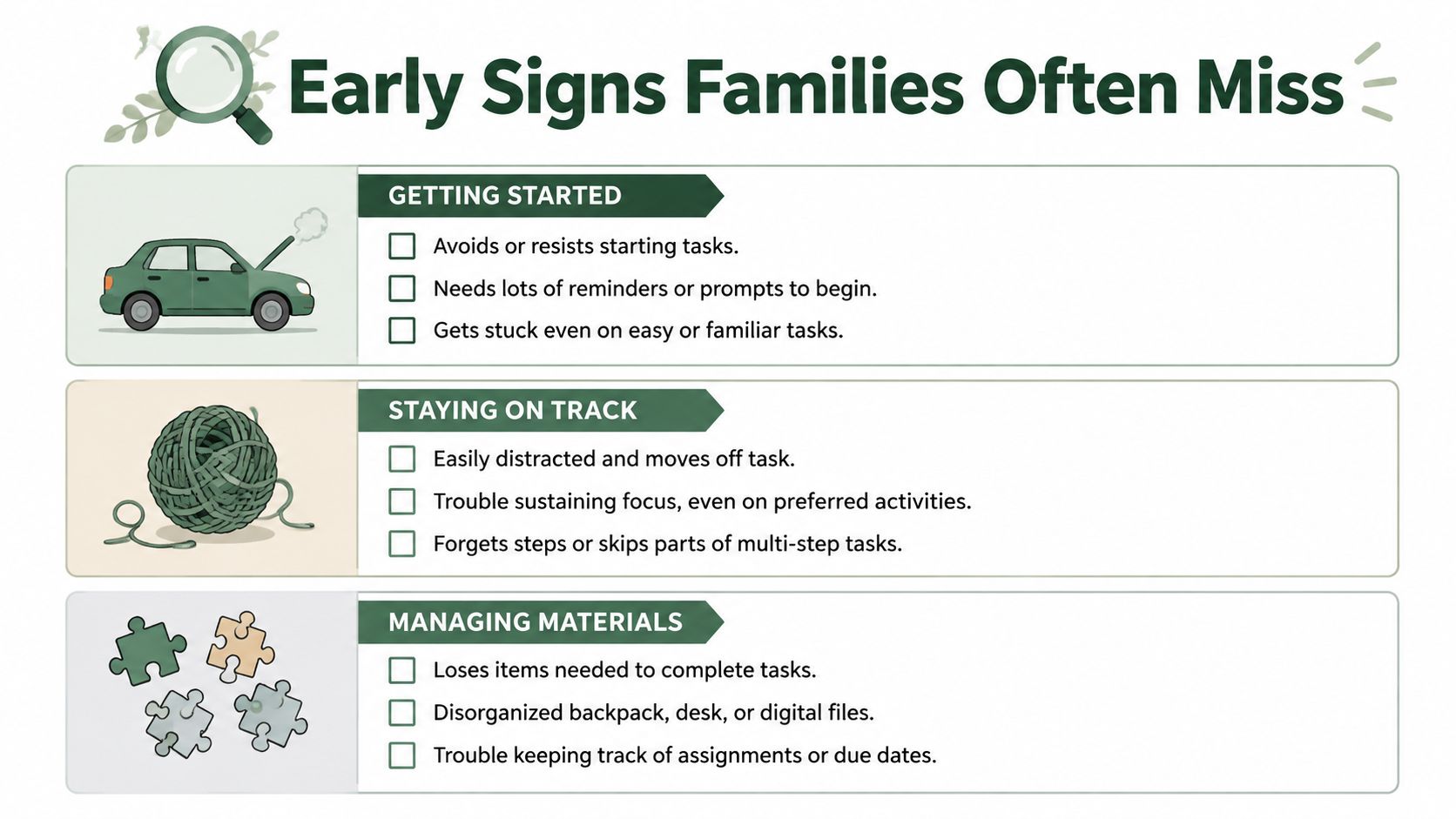
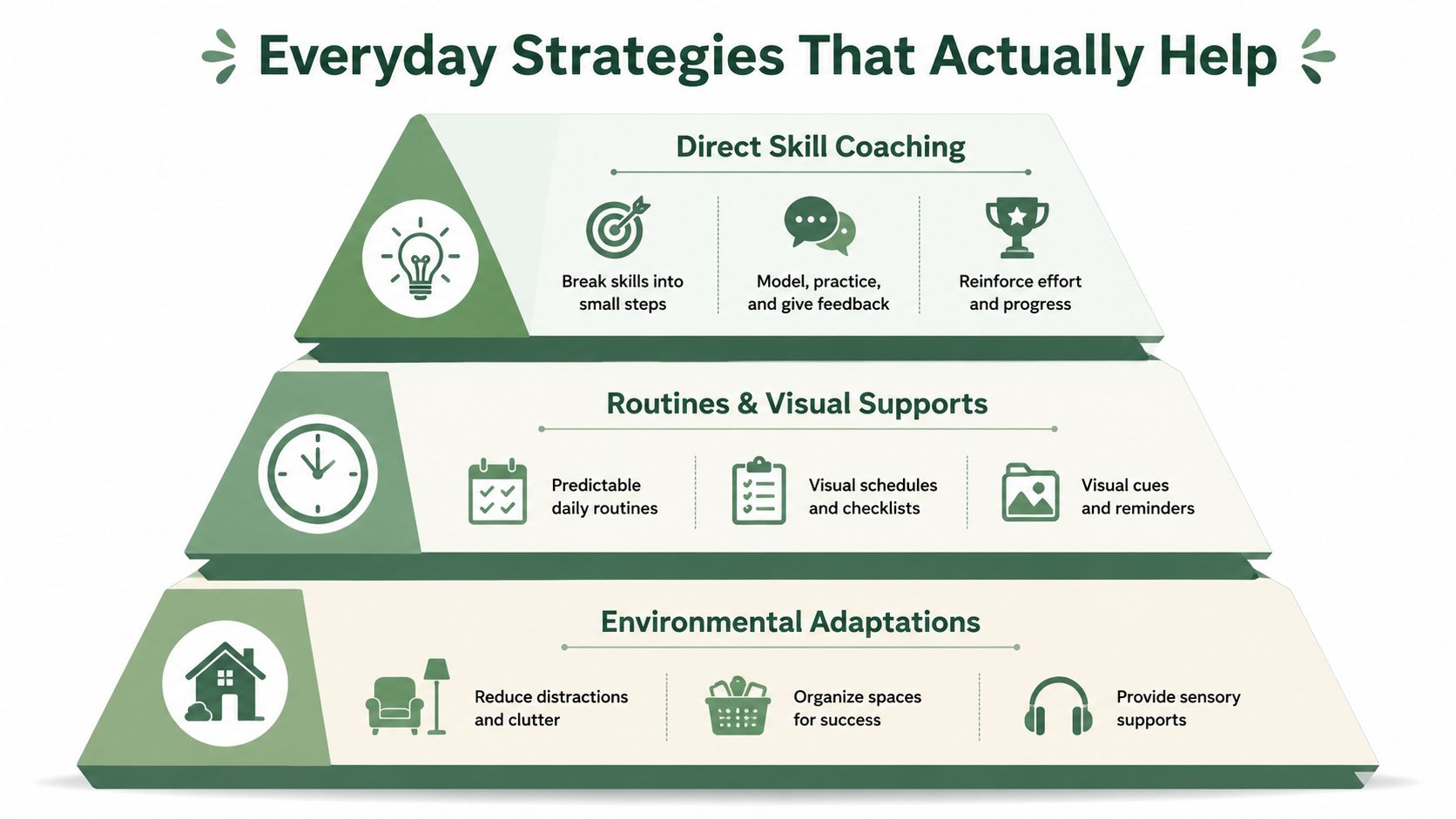
Executive function changes often hide inside behaviors that look unrelated. A person may appear forgetful, unmotivated, anxious, or resistant when the underlying difficulty is starting, organizing, shifting, or checking a task.
Getting started
Task initiation problems are easy to miss because the person may agree with the plan. They say they'll shower, make lunch, or call the bank, but remain seated for a long time. They may need a prompt for the first physical action, such as picking up the towel or turning on the water.
A useful distinction is whether the person knows what should happen but can't begin. With ordinary forgetfulness, a reminder may restore the task. With an initiation problem, the reminder may need to become a concrete cue: “Please stand up and take your towel from the hook.”
Staying with the sequence
A person can begin correctly and then lose the thread. They might place a pan on the stove, walk away before adding food, or abandon a familiar recipe halfway through. They may collect several objects for a task but leave the materials scattered and never complete the activity.
This isn't just a missing fact. The person may know how to cook and may remember the recipe from earlier years. The difficulty lies in holding the goal in mind while managing the next steps.
Switching and flexibility
Changes can become disproportionately upsetting. A closed pharmacy, a different appointment time, or a substitute caregiver may cause distress because the person can't revise the existing plan. Repeating the same route or insisting on one exact order may feel safer than adapting.
Rigid routines aren't automatically evidence of dementia. The concern grows when inflexibility is new, disrupts daily life, or creates safety problems.
Self-monitoring and awareness
Some people don't notice that they have left water running, repeated a story, worn unsuitable clothing, or made an error with money. Others notice the problem but can't explain how it happened. Reduced self-monitoring can make direct correction feel embarrassing, so a neutral prompt usually works better than a challenge.
Keep a brief record of the behavior, the situation, and the support that helped. A clinician needs patterns across settings, not a single frustrating morning. Sudden changes, new safety risks, or a rapid loss of independence deserve medical attention rather than a home experiment alone.
Everyday Strategies That Actually Help
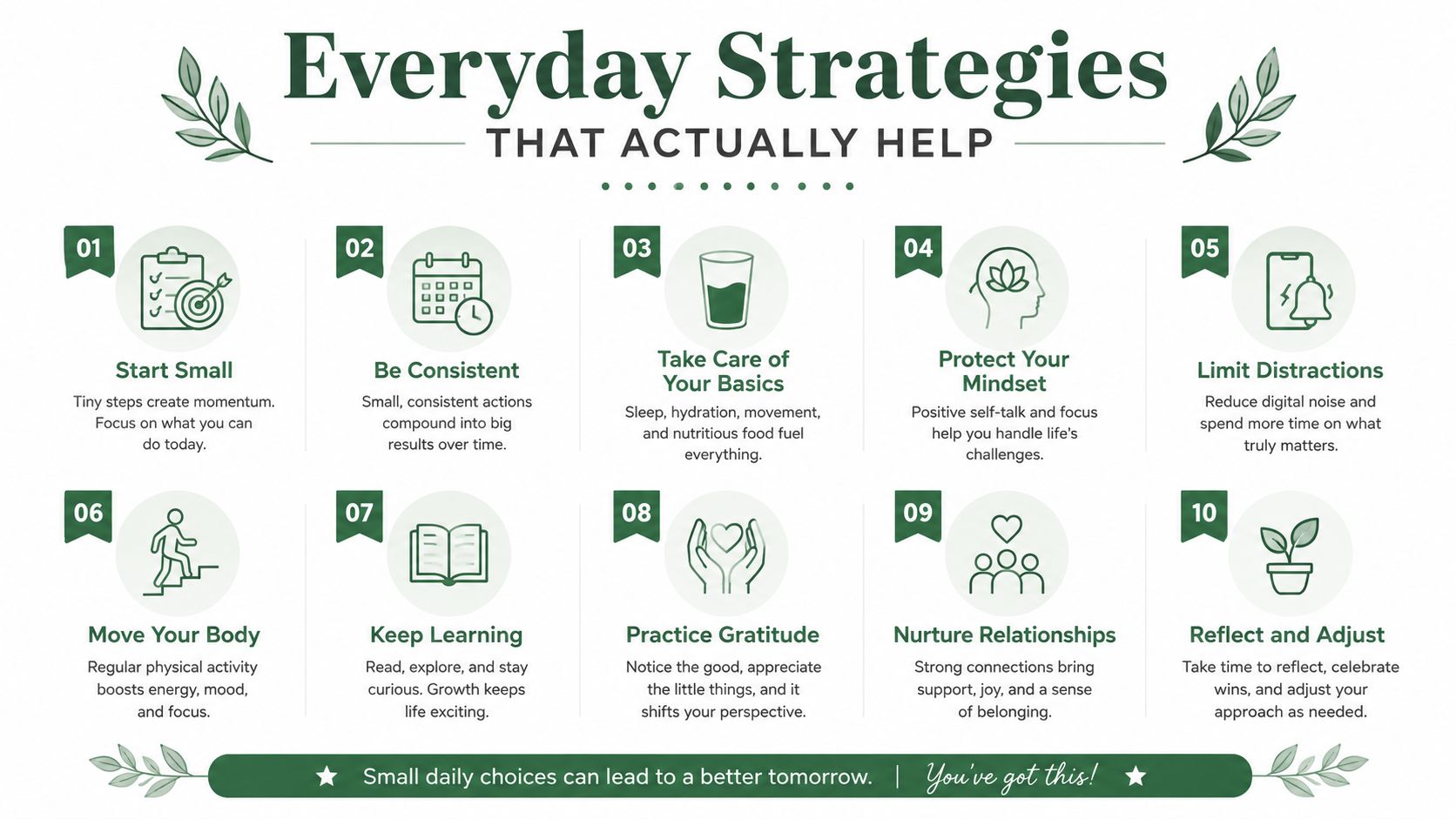
Start with the least intrusive change. Executive function support should reduce unnecessary demands before it asks the person to work harder.
Change the surroundings first
Put commonly used items where the action happens. Keep the coffee mug beside the machine, place clean towels in an open basket, and label drawers with words or simple pictures. Remove duplicate products and move hazardous items, such as stove controls or strong cleaning chemicals, out of the immediate task area.
These changes can lower the number of decisions a person must make. They also require caregiver observation. A label that helps one person may feel childish or confusing to another, so ask the person to help choose the wording and placement.
Turn broad goals into visible actions
“Get ready” is too large for someone whose planning system is under strain. Replace it with a short sequence:
Put both feet on the floor.
Take the clothes from the chair.
Put on the shirt.
Put on the trousers.
Walk to the bathroom.
Use one instruction at a time if a full list creates overload. Give the person time to respond before repeating yourself. Too many prompts can make the caregiver sound urgent and can encourage dependence, even when the person could complete the step with patience.
Build a reliable rhythm
Attach activities to stable parts of the day. Breakfast follows washing, medication follows a meal if the clinician has approved that routine, and a short check of the calendar follows breakfast. A large paper calendar may work better than an app, particularly when the person doesn't use a smartphone independently.
Visual supports should answer one practical question. A bathroom card might show the order for brushing teeth. A kitchen card might show “switch off stove, remove pan, wipe counter.” Use large print, plain wording, and familiar terms.
Practice the actual task
Cognitive exercises can be useful, but transfer to daily independence isn't automatic. Practice planning a real outing, arranging ingredients for a simple meal, or deciding what must happen before a visitor arrives. Ask the person to identify the goal, choose the first step, and review what changed afterward.
Targeted executive-function interventions appear most useful when they are structured and specific. A systematic review reported that 11 of 13 trials found significant executive-function gains, usually with Hedges' g greater than 0.3, and a dementia-focused study found some benefits remained at 6-month follow-up. These findings come from the systematic review of strategy-based cognitive training, not from a promise that every home strategy will produce the same result.
Track function, not just completion. Did the person start more easily? Need fewer prompts? Recover after an interruption? A simple weekly note can show whether a support is helping, creating frustration, or no longer matching the person's needs. Families can use cognitive care plan examples to organize observations for discussion with care professionals.
Adding Phone-Based Cognitive Support to the Mix
A scheduled phone call can occupy a useful space between family visits and clinical appointments. It doesn't require learning an app, finding a password, or managing a new device. A trained care team member can use conversation and brief activities to practice attention, orientation, planning, language, or recall while also asking how the day is going.
A practical call might begin with a warm greeting and questions about the person's current routine. The caller may then ask, “What would you like to accomplish before lunch?” Together, they can identify the goal, list the steps, and consider what might get in the way. That is different from just saying, “Don't forget your appointment.”
What a structured call can include
Planning practice: choosing one realistic goal and identifying the first action.
Sequencing: talking through a familiar activity, such as preparing tea or getting ready to leave.
Orientation: discussing the day, location, upcoming plans, and relevant routines.
Cognitive engagement: using reminiscence, language, attention, and memory activities matched to ability.
Well-being checks: noticing anxiety, confusion, loneliness, medication concerns, or worries about falls.
Family communication: recording patterns that may help relatives decide whether a routine or professional review needs to change.
Phone support has clear limits. It can't inspect a stove, confirm that medication was taken, assess gait, diagnose a new symptom, or replace an in-person caregiver. It works best when the family shares relevant history, interests, safety concerns, and clinician guidance with the care team.
Phone-based care can also support practical coordination. Families might use a voice service for tasks such as appointment booking via voice AI, but automated scheduling isn't the same as cognitive coaching or safety monitoring. Someone still needs to confirm the appointment, explain changes, and ensure the older adult understands what will happen.
Velma offers scheduled phone calls with trained care team members, combining individualized cognitive activities, conversation, routine support, and practical check-ins. Families considering this kind of service should ask how calls are adapted, how concerns are documented, who receives updates, and how the program coordinates with clinicians and in-person care. A family guide to daily cognitive support can help relatives decide whether this format fits their existing plan.
When to Seek Professional Evaluation
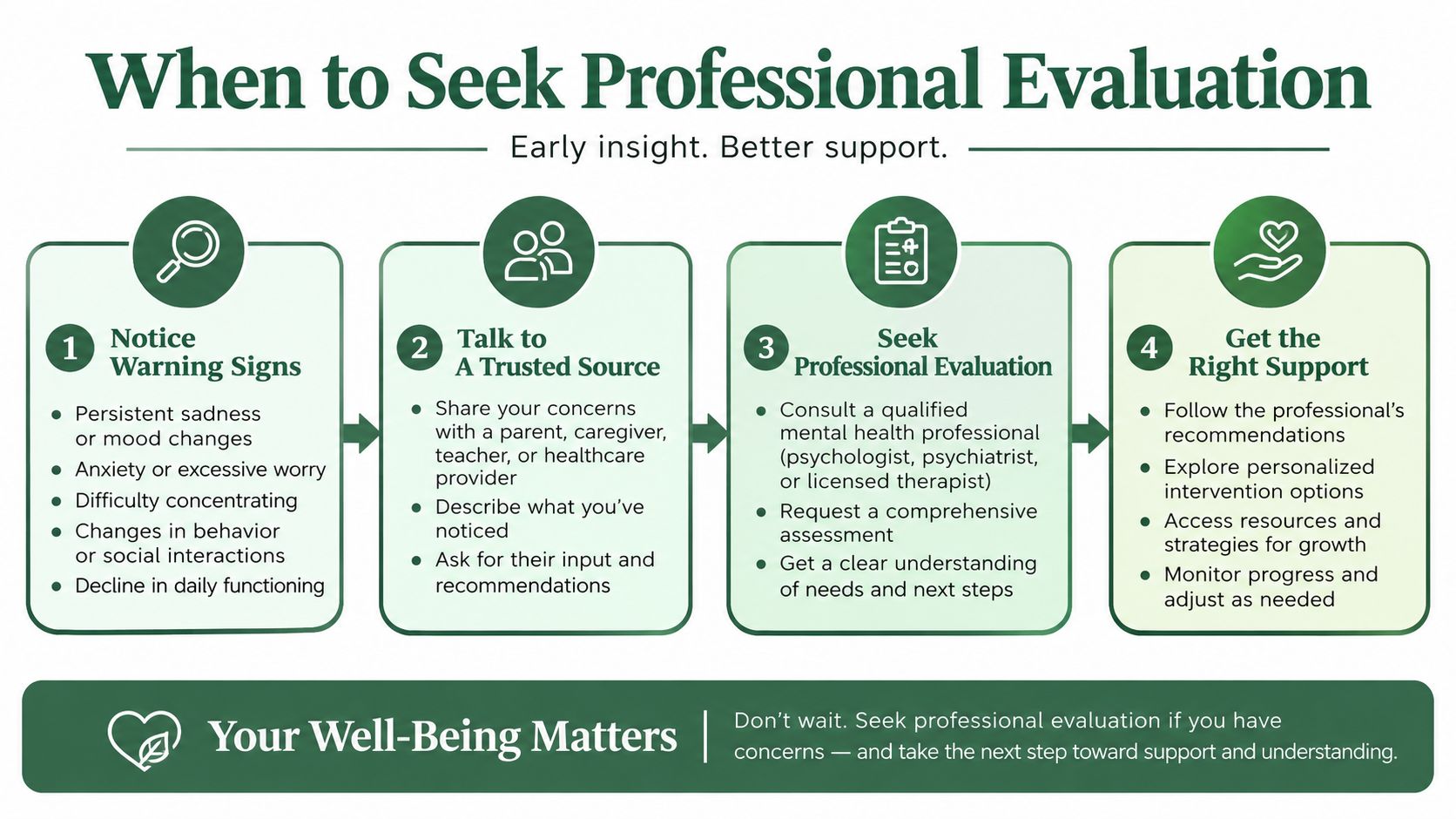
A clinical conversation makes sense when executive difficulties affect independence, safety, or relationships. Examples include a new inability to manage familiar household tasks, repeated cooking hazards, missed medications, unexplained financial errors, getting lost on known routes, or a noticeable increase in caregiver supervision.
Seek prompt medical advice for a sudden change, especially if confusion, weakness, illness, a medication change, or a fall may be involved. A gradual pattern also deserves attention, but it usually allows more time to gather observations and arrange an appointment.
What the evaluation may involve
Primary care can review medical history, medications, mood, sleep, sensory problems, and possible reversible contributors. A neurologist or geriatrician may assess the broader cognitive and neurological picture. A neuropsychologist can examine patterns across attention, planning, memory, language, and problem-solving when more detailed testing is needed.
Bring specific examples rather than general impressions. Record what happened, what the person was trying to do, which step failed, how often the problem occurs, and what support helped. Include information from more than one setting when possible, because executive difficulties may appear at home but not during a short appointment.
Include the caregiver system
The person with dementia isn't the only one affected. A 2026 systematic review of caregiver self-care needs identified recurring gaps in system navigation, coordinated care, emotional and practical support, inclusive technologies, and financial or workplace resources, with unmet needs linked to loneliness, depression, anxiety, and reduced caregiving capacity. The findings are summarized in this review of caregiver self-care needs.
Tell the care team who visits, who handles medications, who receives updates, and whether phone-based or community support is involved. Coordination prevents several helpers from giving conflicting instructions and makes it easier to adjust the plan when a strategy stops working.
Putting It All Together and Common Questions
Executive function support works best as an adjustable care practice, not a single device or worksheet. Begin by identifying one real task, reduce environmental demands, make the sequence visible, practice the goal with the person, and track whether participation becomes easier.
A compact starting checklist looks like this:
Observe: Describe the exact point where the task breaks down.
Simplify: Remove choices, clutter, interruptions, and unnecessary steps.
Cue: Give one calm prompt focused on the next action.
Practice: Rehearse a meaningful daily activity, not only an abstract puzzle.
Review: Change the support when abilities, mood, health, or routines change.
Common questions
How soon should we expect a change?
Some people respond quickly to a clearer environment or familiar routine. Others need repeated practice, and some strategies won't fit at all. Judge progress by practical signs such as easier initiation, fewer abandoned tasks, or safer completion, rather than expecting a dramatic cognitive transformation.
What if my parent refuses help?
Start with the person's goal, not the diagnosis. Offer support for a specific frustration, such as getting ready for lunch or keeping track of appointments. Give choices, protect privacy, and avoid presenting every cue as a test.
What if a strategy stops working?
Recheck the task and the context. Pain, poor sleep, anxiety, infection, medication effects, hearing loss, or a change in the environment can alter performance. Bring the new pattern to a clinician instead of adding more reminders.
How do we protect independence?
Support the next step without taking over the whole activity. Let the person choose when possible, use the least intrusive cue that works, and accept a slower pace when safety allows. Independence isn't doing everything alone. It also means having a meaningful role in decisions and daily actions.
Velma provides scheduled phone-based cognitive support for older adults with early to mid-stage dementia, combining guided cognitive activities, conversation, routine reinforcement, and practical well-being check-ins. If your family needs consistent contact that complements in-person care without requiring an app, visit Velma to learn how the program may fit your care plan.
A parent can remember that an appointment is scheduled and still be unable to get ready for it. They may stand in the kitchen with the coffee maker switched on, the mug in hand, and no clear idea what comes next. The problem isn't always memory. Often, the harder task is organizing an intention into a sequence of actions.
That difference matters for spouses, adult children, and anyone supporting a person with dementia. Reminders can help someone remember what to do, but executive function support addresses the other questions: How do I start? Which step comes first? What should I do if something changes? How do I know I'm finished?
This guide focuses on practical support for daily life, from the kitchen and bathroom to appointments and phone calls. It also explains where structured phone contact can complement in-person care, without pretending that technology or cognitive exercises can replace medical guidance, human judgment, or companionship.
Table of Contents
When Mornings Stop Making Sense
What Executive Function Really Means
Why the vocabulary helps
Early Signs Families Often Miss
Getting started
Staying with the sequence
Switching and flexibility
Self-monitoring and awareness
Everyday Strategies That Actually Help
Change the surroundings first
Turn broad goals into visible actions
Build a reliable rhythm
Practice the actual task
Adding Phone-Based Cognitive Support to the Mix
What a structured call can include
When to Seek Professional Evaluation
What the evaluation may involve
Include the caregiver system
Putting It All Together and Common Questions
Common questions
When Mornings Stop Making Sense
The morning used to follow a familiar rhythm. Your mother woke up, used the bathroom, dressed, made tea, took her medication, and read the paper. Recently, you find her sitting at the kitchen table in her robe. The kettle is full, but it hasn't been switched on. Her clothes are laid out, yet she hasn't started dressing. When you ask whether she remembers the doctor's appointment, she says yes.
Nothing about the conversation sounds like ordinary forgetting. She knows the appointment exists. She may even recall the doctor's name. What has become difficult is turning that knowledge into a workable plan.
A similar pattern appears in smaller moments. Your husband begins making toast, opens the refrigerator, notices the milk is missing, and then wanders into the living room. A pot remains on the stove because he answered the telephone and couldn't return to the cooking sequence. Someone may gather the ingredients for lunch but not know which action should happen first.
Families often describe these moments as “not trying,” stubbornness, or confusion. Those interpretations can increase shame and conflict, especially when the person still speaks clearly or remembers old events. The behavior may instead reflect difficulty with task initiation, sequencing, attention, switching, or self-monitoring.
Practical rule: If a person remembers the goal but can't organize the steps, look beyond memory aids.
A predictable routine can reduce this burden. A daily routine guide for seniors with early memory loss may help families turn an unstructured morning into a series of familiar cues, but the routine still needs to fit the person's abilities, preferences, and environment.
The first useful question isn't, “Why can't you remember?” Try asking, “Which part of this task became difficult?” That shift leads to kinder observation and more useful support. Instead of taking over the entire morning, you might place the mug beside the coffee maker, point to the first step, and wait long enough for the person to begin.
Executive function support works in these ordinary settings. It helps a person move from intention to action, while preserving as much participation and dignity as possible.
What Executive Function Really Means
Executive function is a group of mental skills that helps a person direct behavior toward a goal. You can think of it as the kitchen manager who decides what meal to prepare, gathers ingredients, follows the recipe, adjusts when something is missing, and checks whether the food is ready.
The main skills become easier to understand when you attach each one to a daily action:
Planning: deciding what needs to happen and gathering what is needed.
Initiating: starting the task without repeated prompting.
Sequencing: putting actions in a workable order.
Switching: moving from one activity or rule to another.
Inhibiting: pausing an impulse, such as leaving a pan unattended to answer a nonurgent call.
Self-monitoring: noticing an error and correcting it.
A person might remember a lunch invitation but not plan transportation, choose clothing, check the time, and leave the house. Another person might start preparing soup but lose the sequence after opening a cupboard. These examples show why executive function isn't the same as memory. The information may still be present, while the system for using it has become unreliable.
Normal aging can make multitasking, rapid switching, or managing complex instructions somewhat harder. Dementia can amplify those difficulties and make them interfere with dressing, cooking, medication routines, finances, or appointments. The change isn't always dramatic at first. Families often notice that a once-automatic activity now requires more supervision.
Why the vocabulary helps
Specific language improves conversations with clinicians and family members. “She seems worse” is hard to assess. “She can choose breakfast but can't begin without repeated cues” gives a care team something concrete to explore.
It also helps families match the support to the difficulty. A calendar may address remembering an appointment. A short checklist may address sequencing. A calm verbal prompt may address initiation. For a broader plain-language overview, these executive function tips from Fluidwave can provide useful terminology for describing patterns.
The aim isn't to label every mistake. It's to identify which mental process is getting in the way, then reduce that demand or provide a carefully timed scaffold.
Early Signs Families Often Miss
Executive function changes often hide inside behaviors that look unrelated. A person may appear forgetful, unmotivated, anxious, or resistant when the underlying difficulty is starting, organizing, shifting, or checking a task.
Getting started
Task initiation problems are easy to miss because the person may agree with the plan. They say they'll shower, make lunch, or call the bank, but remain seated for a long time. They may need a prompt for the first physical action, such as picking up the towel or turning on the water.
A useful distinction is whether the person knows what should happen but can't begin. With ordinary forgetfulness, a reminder may restore the task. With an initiation problem, the reminder may need to become a concrete cue: “Please stand up and take your towel from the hook.”
Staying with the sequence
A person can begin correctly and then lose the thread. They might place a pan on the stove, walk away before adding food, or abandon a familiar recipe halfway through. They may collect several objects for a task but leave the materials scattered and never complete the activity.
This isn't just a missing fact. The person may know how to cook and may remember the recipe from earlier years. The difficulty lies in holding the goal in mind while managing the next steps.
Switching and flexibility
Changes can become disproportionately upsetting. A closed pharmacy, a different appointment time, or a substitute caregiver may cause distress because the person can't revise the existing plan. Repeating the same route or insisting on one exact order may feel safer than adapting.
Rigid routines aren't automatically evidence of dementia. The concern grows when inflexibility is new, disrupts daily life, or creates safety problems.
Self-monitoring and awareness
Some people don't notice that they have left water running, repeated a story, worn unsuitable clothing, or made an error with money. Others notice the problem but can't explain how it happened. Reduced self-monitoring can make direct correction feel embarrassing, so a neutral prompt usually works better than a challenge.
Keep a brief record of the behavior, the situation, and the support that helped. A clinician needs patterns across settings, not a single frustrating morning. Sudden changes, new safety risks, or a rapid loss of independence deserve medical attention rather than a home experiment alone.
Everyday Strategies That Actually Help
Start with the least intrusive change. Executive function support should reduce unnecessary demands before it asks the person to work harder.
Change the surroundings first
Put commonly used items where the action happens. Keep the coffee mug beside the machine, place clean towels in an open basket, and label drawers with words or simple pictures. Remove duplicate products and move hazardous items, such as stove controls or strong cleaning chemicals, out of the immediate task area.
These changes can lower the number of decisions a person must make. They also require caregiver observation. A label that helps one person may feel childish or confusing to another, so ask the person to help choose the wording and placement.
Turn broad goals into visible actions
“Get ready” is too large for someone whose planning system is under strain. Replace it with a short sequence:
Put both feet on the floor.
Take the clothes from the chair.
Put on the shirt.
Put on the trousers.
Walk to the bathroom.
Use one instruction at a time if a full list creates overload. Give the person time to respond before repeating yourself. Too many prompts can make the caregiver sound urgent and can encourage dependence, even when the person could complete the step with patience.
Build a reliable rhythm
Attach activities to stable parts of the day. Breakfast follows washing, medication follows a meal if the clinician has approved that routine, and a short check of the calendar follows breakfast. A large paper calendar may work better than an app, particularly when the person doesn't use a smartphone independently.
Visual supports should answer one practical question. A bathroom card might show the order for brushing teeth. A kitchen card might show “switch off stove, remove pan, wipe counter.” Use large print, plain wording, and familiar terms.
Practice the actual task
Cognitive exercises can be useful, but transfer to daily independence isn't automatic. Practice planning a real outing, arranging ingredients for a simple meal, or deciding what must happen before a visitor arrives. Ask the person to identify the goal, choose the first step, and review what changed afterward.
Targeted executive-function interventions appear most useful when they are structured and specific. A systematic review reported that 11 of 13 trials found significant executive-function gains, usually with Hedges' g greater than 0.3, and a dementia-focused study found some benefits remained at 6-month follow-up. These findings come from the systematic review of strategy-based cognitive training, not from a promise that every home strategy will produce the same result.
Track function, not just completion. Did the person start more easily? Need fewer prompts? Recover after an interruption? A simple weekly note can show whether a support is helping, creating frustration, or no longer matching the person's needs. Families can use cognitive care plan examples to organize observations for discussion with care professionals.
Adding Phone-Based Cognitive Support to the Mix
A scheduled phone call can occupy a useful space between family visits and clinical appointments. It doesn't require learning an app, finding a password, or managing a new device. A trained care team member can use conversation and brief activities to practice attention, orientation, planning, language, or recall while also asking how the day is going.
A practical call might begin with a warm greeting and questions about the person's current routine. The caller may then ask, “What would you like to accomplish before lunch?” Together, they can identify the goal, list the steps, and consider what might get in the way. That is different from just saying, “Don't forget your appointment.”
What a structured call can include
Planning practice: choosing one realistic goal and identifying the first action.
Sequencing: talking through a familiar activity, such as preparing tea or getting ready to leave.
Orientation: discussing the day, location, upcoming plans, and relevant routines.
Cognitive engagement: using reminiscence, language, attention, and memory activities matched to ability.
Well-being checks: noticing anxiety, confusion, loneliness, medication concerns, or worries about falls.
Family communication: recording patterns that may help relatives decide whether a routine or professional review needs to change.
Phone support has clear limits. It can't inspect a stove, confirm that medication was taken, assess gait, diagnose a new symptom, or replace an in-person caregiver. It works best when the family shares relevant history, interests, safety concerns, and clinician guidance with the care team.
Phone-based care can also support practical coordination. Families might use a voice service for tasks such as appointment booking via voice AI, but automated scheduling isn't the same as cognitive coaching or safety monitoring. Someone still needs to confirm the appointment, explain changes, and ensure the older adult understands what will happen.
Velma offers scheduled phone calls with trained care team members, combining individualized cognitive activities, conversation, routine support, and practical check-ins. Families considering this kind of service should ask how calls are adapted, how concerns are documented, who receives updates, and how the program coordinates with clinicians and in-person care. A family guide to daily cognitive support can help relatives decide whether this format fits their existing plan.
When to Seek Professional Evaluation
A clinical conversation makes sense when executive difficulties affect independence, safety, or relationships. Examples include a new inability to manage familiar household tasks, repeated cooking hazards, missed medications, unexplained financial errors, getting lost on known routes, or a noticeable increase in caregiver supervision.
Seek prompt medical advice for a sudden change, especially if confusion, weakness, illness, a medication change, or a fall may be involved. A gradual pattern also deserves attention, but it usually allows more time to gather observations and arrange an appointment.
What the evaluation may involve
Primary care can review medical history, medications, mood, sleep, sensory problems, and possible reversible contributors. A neurologist or geriatrician may assess the broader cognitive and neurological picture. A neuropsychologist can examine patterns across attention, planning, memory, language, and problem-solving when more detailed testing is needed.
Bring specific examples rather than general impressions. Record what happened, what the person was trying to do, which step failed, how often the problem occurs, and what support helped. Include information from more than one setting when possible, because executive difficulties may appear at home but not during a short appointment.
Include the caregiver system
The person with dementia isn't the only one affected. A 2026 systematic review of caregiver self-care needs identified recurring gaps in system navigation, coordinated care, emotional and practical support, inclusive technologies, and financial or workplace resources, with unmet needs linked to loneliness, depression, anxiety, and reduced caregiving capacity. The findings are summarized in this review of caregiver self-care needs.
Tell the care team who visits, who handles medications, who receives updates, and whether phone-based or community support is involved. Coordination prevents several helpers from giving conflicting instructions and makes it easier to adjust the plan when a strategy stops working.
Putting It All Together and Common Questions
Executive function support works best as an adjustable care practice, not a single device or worksheet. Begin by identifying one real task, reduce environmental demands, make the sequence visible, practice the goal with the person, and track whether participation becomes easier.
A compact starting checklist looks like this:
Observe: Describe the exact point where the task breaks down.
Simplify: Remove choices, clutter, interruptions, and unnecessary steps.
Cue: Give one calm prompt focused on the next action.
Practice: Rehearse a meaningful daily activity, not only an abstract puzzle.
Review: Change the support when abilities, mood, health, or routines change.
Common questions
How soon should we expect a change?
Some people respond quickly to a clearer environment or familiar routine. Others need repeated practice, and some strategies won't fit at all. Judge progress by practical signs such as easier initiation, fewer abandoned tasks, or safer completion, rather than expecting a dramatic cognitive transformation.
What if my parent refuses help?
Start with the person's goal, not the diagnosis. Offer support for a specific frustration, such as getting ready for lunch or keeping track of appointments. Give choices, protect privacy, and avoid presenting every cue as a test.
What if a strategy stops working?
Recheck the task and the context. Pain, poor sleep, anxiety, infection, medication effects, hearing loss, or a change in the environment can alter performance. Bring the new pattern to a clinician instead of adding more reminders.
How do we protect independence?
Support the next step without taking over the whole activity. Let the person choose when possible, use the least intrusive cue that works, and accept a slower pace when safety allows. Independence isn't doing everything alone. It also means having a meaningful role in decisions and daily actions.
Velma provides scheduled phone-based cognitive support for older adults with early to mid-stage dementia, combining guided cognitive activities, conversation, routine reinforcement, and practical well-being check-ins. If your family needs consistent contact that complements in-person care without requiring an app, visit Velma to learn how the program may fit your care plan.
Suggested Article: